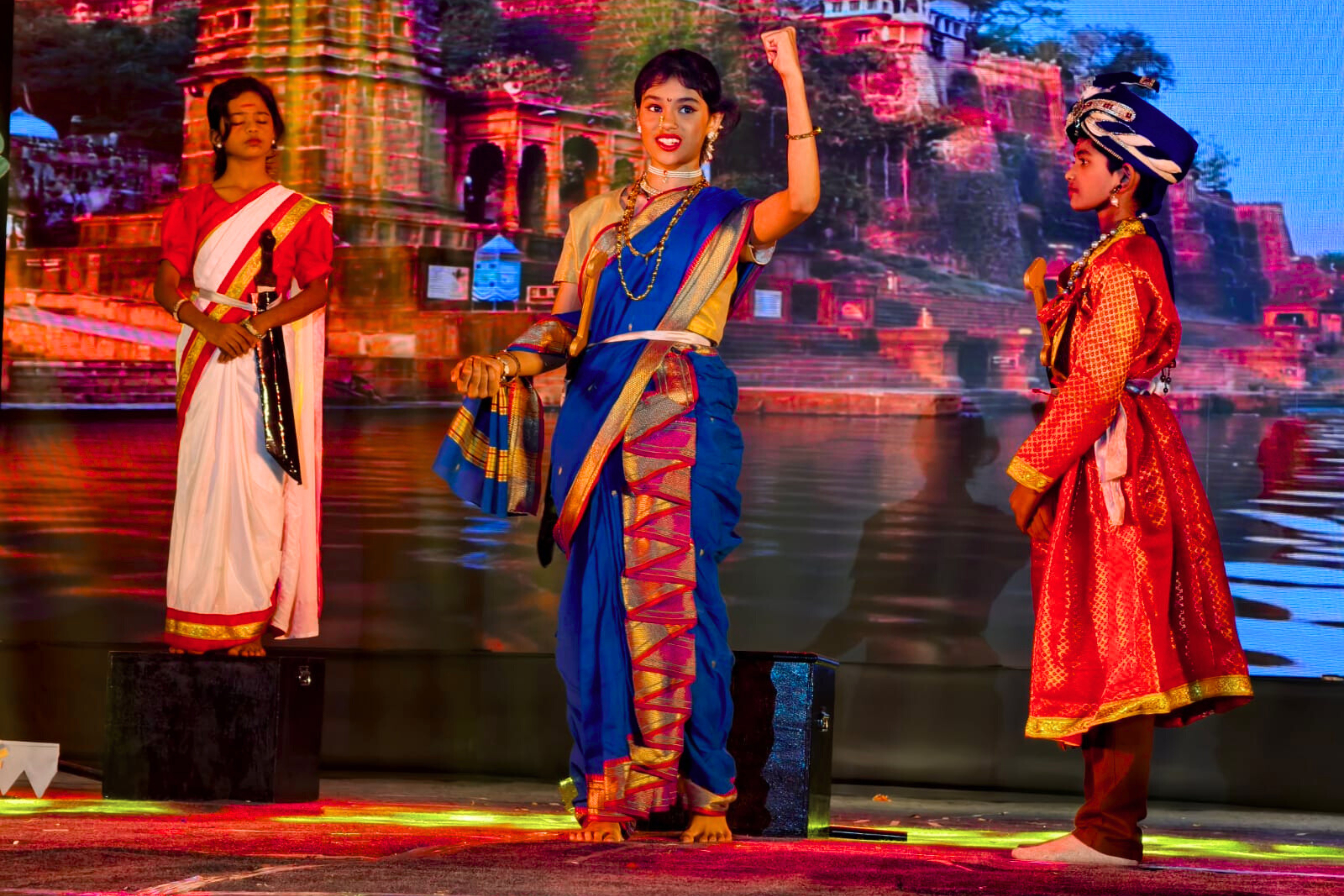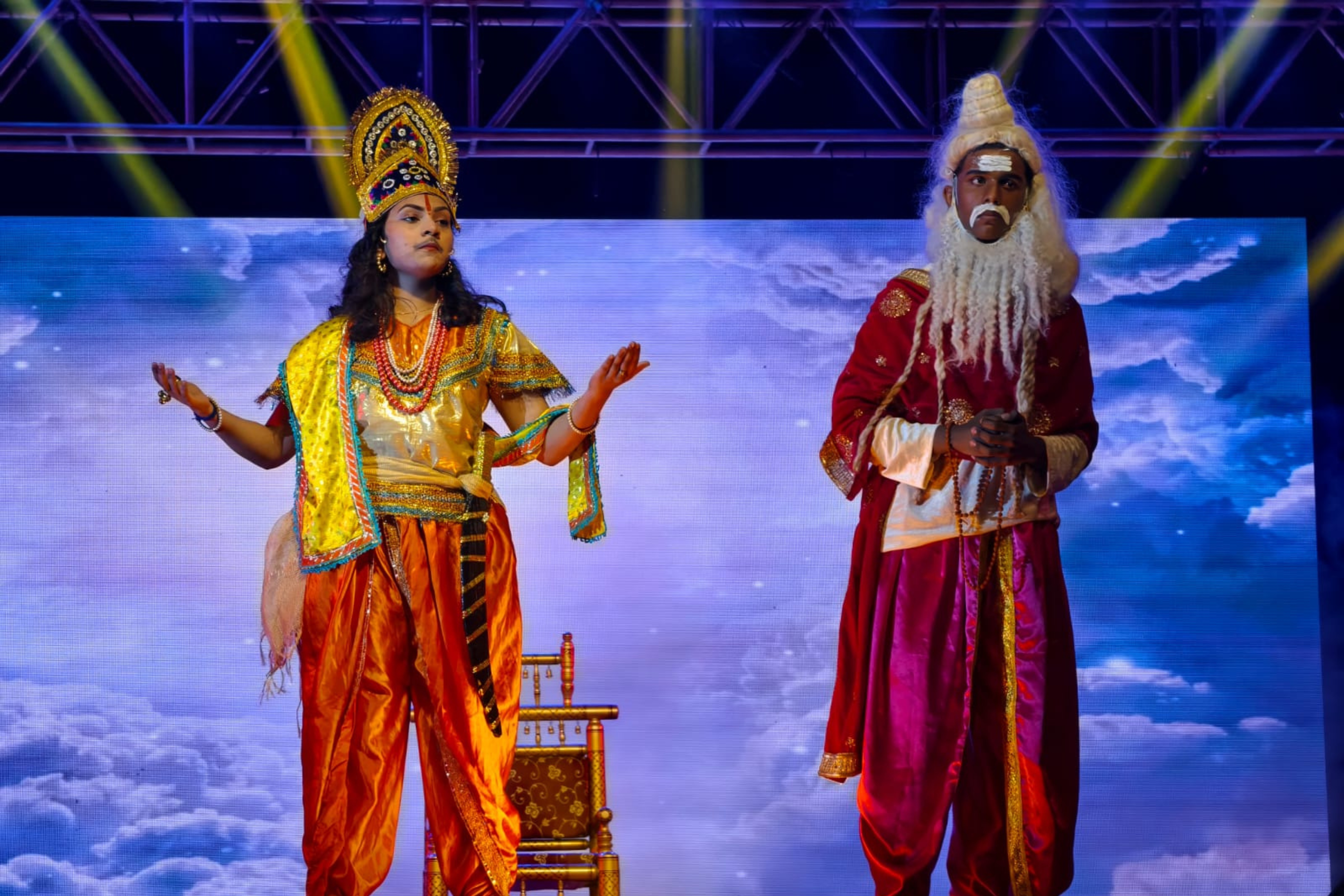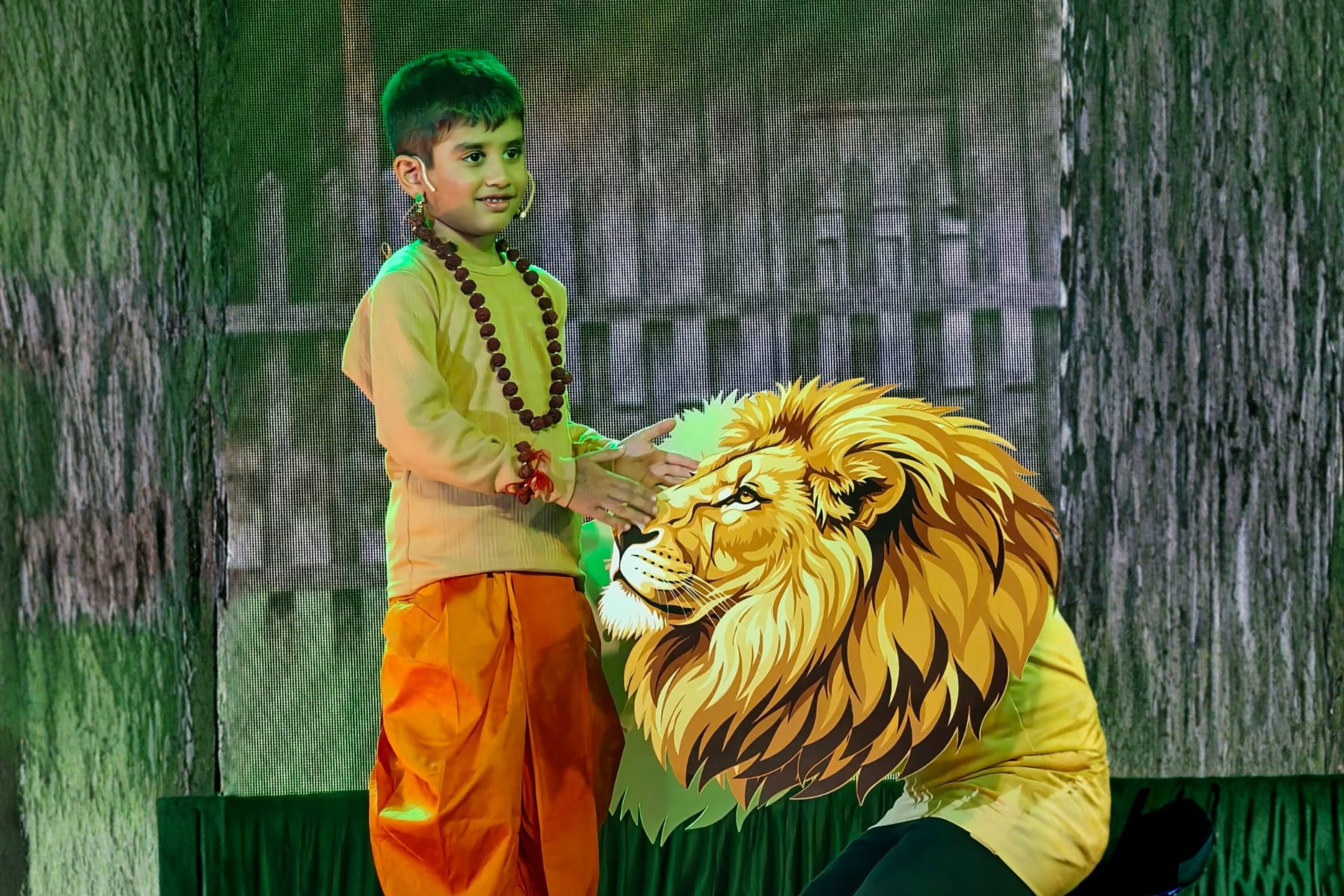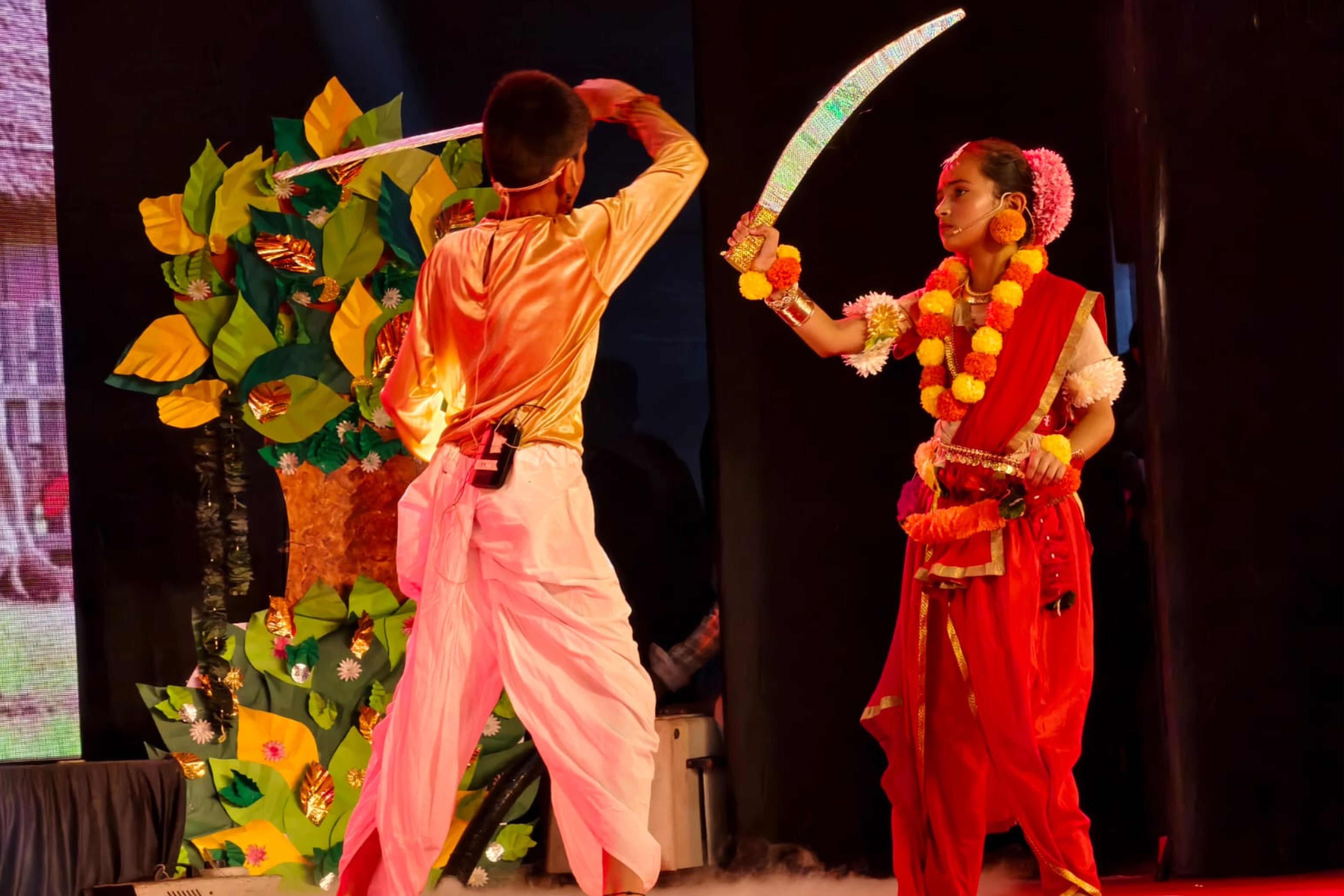




“Drama is not merely to entertain, it is to educate, to elevate and to transform.” — Habib Tanvir
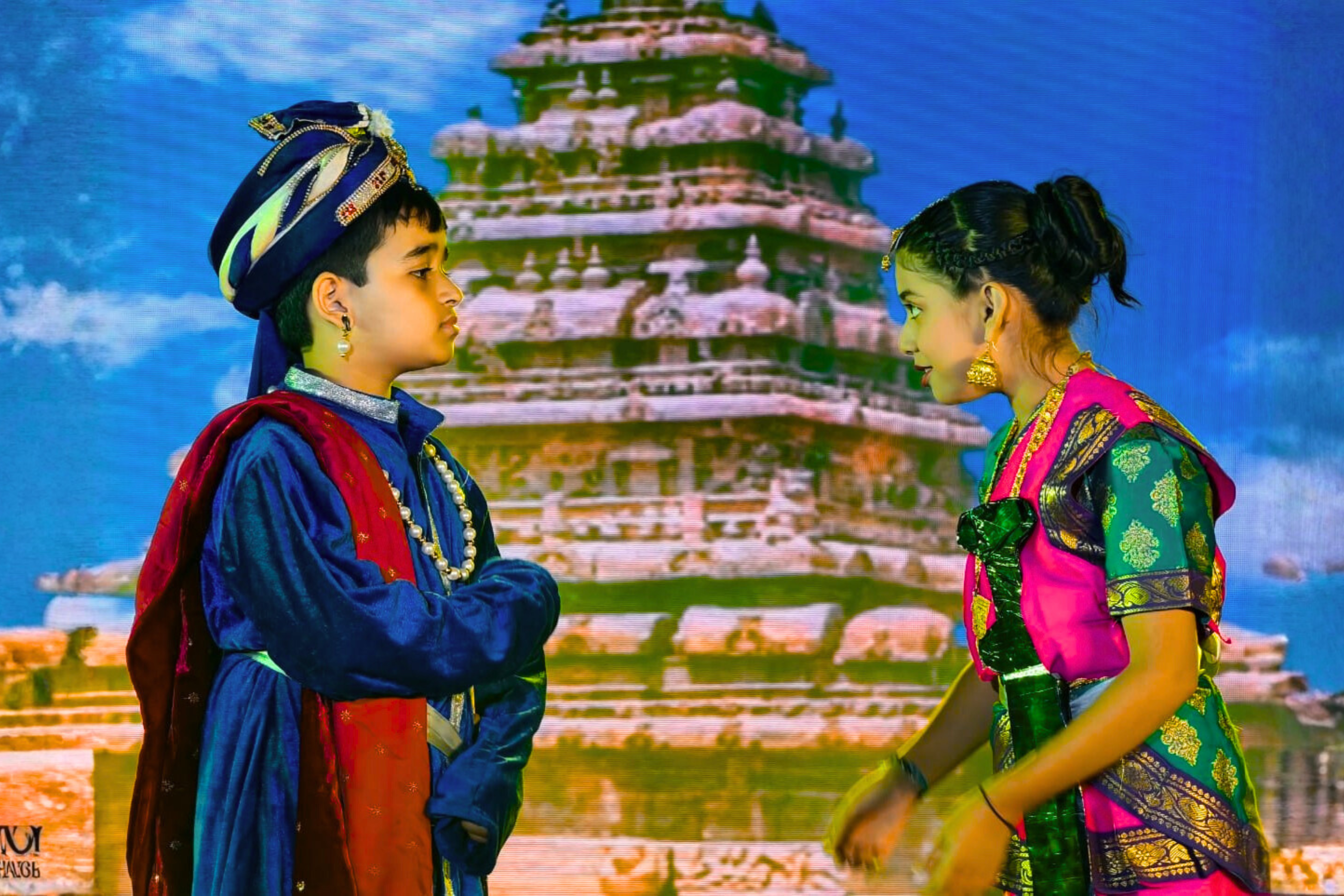
India has long been a land of stories—not only written or spoken, but performed. With a history spanning over two millennia, Indian drama remains one of the world’s oldest continuous theatrical traditions. Beyond entertainment, it has always functioned as a medium for education, emotional development, cultural continuity and social reflection.
“Unlike conventional classroom methods, drama provides a holistic, hands-on approach to learning. It invites children to explore emotions, situations, and perspectives that are not part of their everyday lives.”
Helen O'Grady International
Why Life Skills Matter More Than Ever
The roots of Indian theatre lie in the Natya Shastra, composed by Bharata Muni around 200 BCE. This foundational text defines drama as a holistic art form integrating speech (Vachika), movement (Angika), emotional expression (Satvika) and visual aesthetics (Aharya). It also introduces the theory of Rasa—the nine emotional states a performance seeks to evoke. This framework continues to be pedagogically relevant, as it nurtures emotional intelligence, empathy and authentic self-expression in learners.
Epic narratives such as the Ramayana and the Mahabharata sustained this tradition through performance. Classical forms including Kathakali, Yakshagana and Koodiyattam transformed these epics into immersive theatrical experiences. Through gesture, music and stylised expression, performers communicated complex philosophical and ethical themes. For students, engagement with these traditions enhances concentration, memory, interpretative skills, and moral reasoning.
As theatre moved into the public sphere, folk traditions such as Bhavai, Tamasha, Nautanki, and Therukoothu emerged as vibrant community-based performance forms. Often interactive and improvisational, they addressed social realities with humour and satire. These forms demonstrate how drama fosters adaptability, spontaneity and social awareness—skills vital for holistic development. Modern Indian theatre further expanded this tradition. Playwrights such as Rabindranath Tagore, Vijay Tendulkar and Girish Karnad used theatre as a platform for examining identity, power, gender and freedom. Drama became a medium for dialogue and critical inquiry, reinforcing its role in shaping reflective and informed citizens.
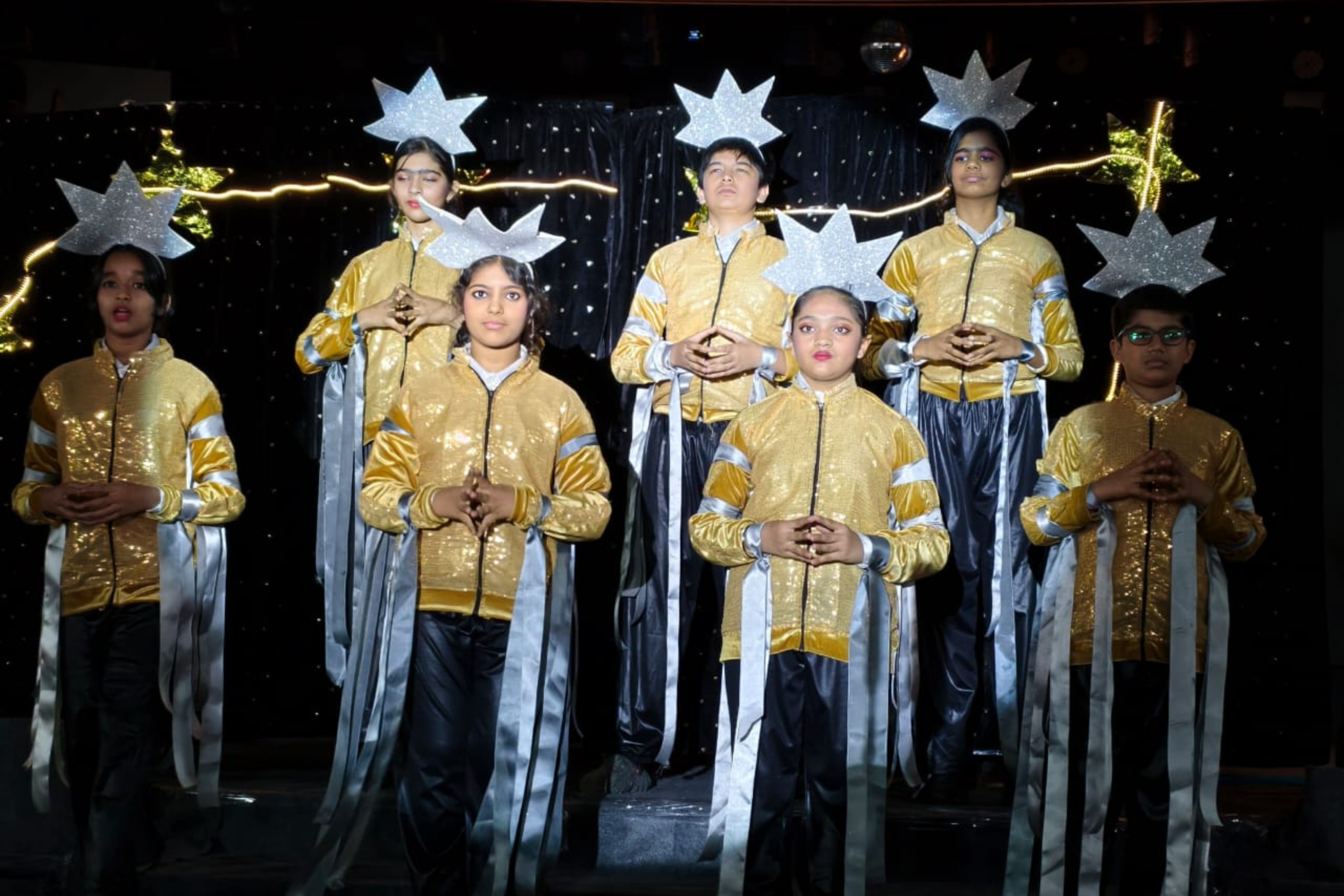
At HOGI, we integrate insights from classical, folk and modern traditions to develop not just performers, but confident communicators and empathetic individuals. Drama strengthens language, builds presence, nurtures imagination and cultivates emotional literacy—competencies essential in the 21st century.
Let’s bring stories to life and bring life into learning.